Materials & Craftsmanship
Understanding the materials we choose
Natural hides and furs, rather than their synthetic imitations.
The material comes first
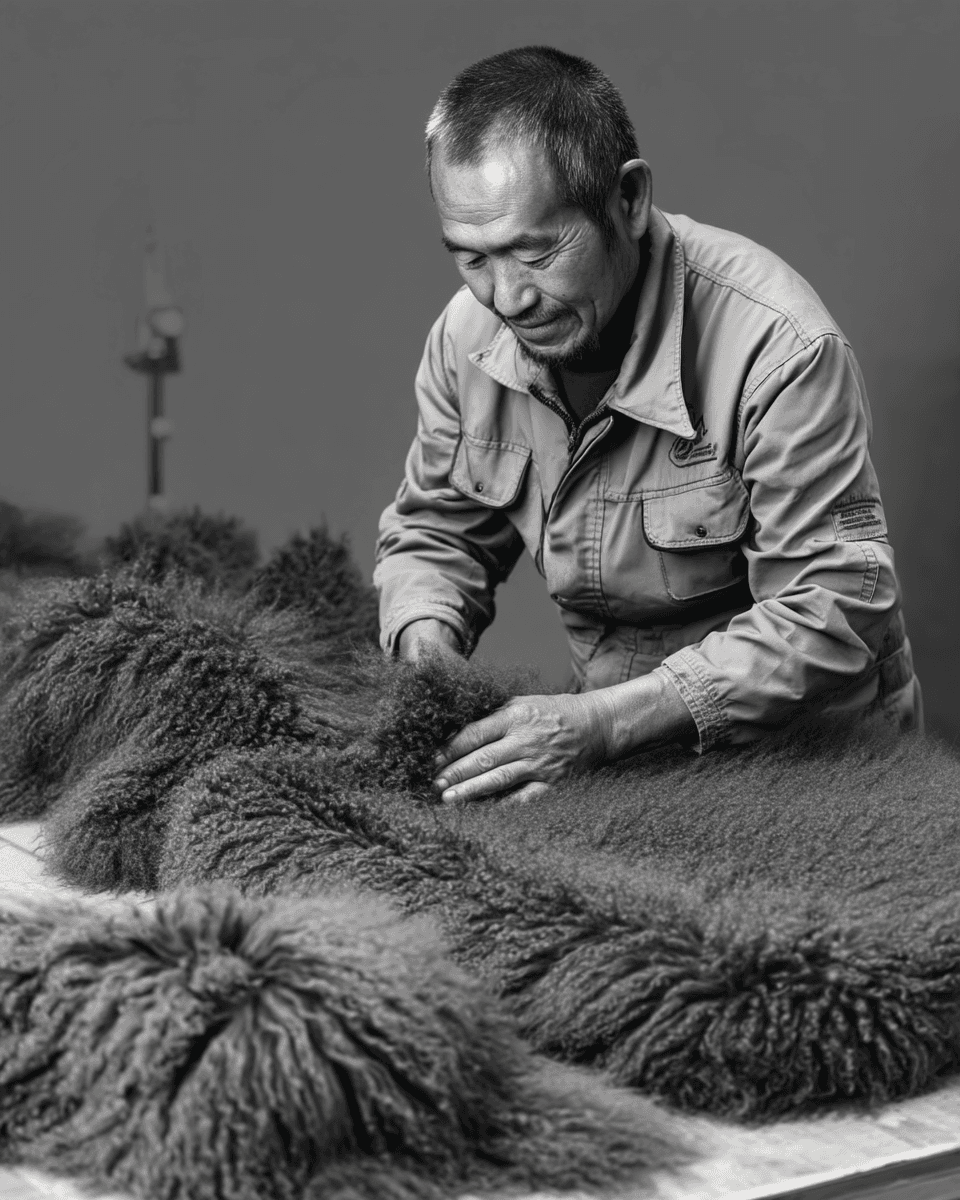
We choose with the senses first. A material should provoke something: the urge to touch it, a particular play of light, movement or depth. Then we test what emotion cannot tell us: quality, density, suppleness, finish, composition, intended use and durability.
Putting an existing material to good use
At AlpiForma, acting responsibly starts with a choice of material: making the most of a natural material that already exists rather than replacing it with a synthetic imitation, often polyester or acrylic derived from petrochemicals. That means seeking to understand where a material comes from and who works it, and keeping pieces whose making justifies holding on to them. We state what the available documents establish, and nothing beyond that.
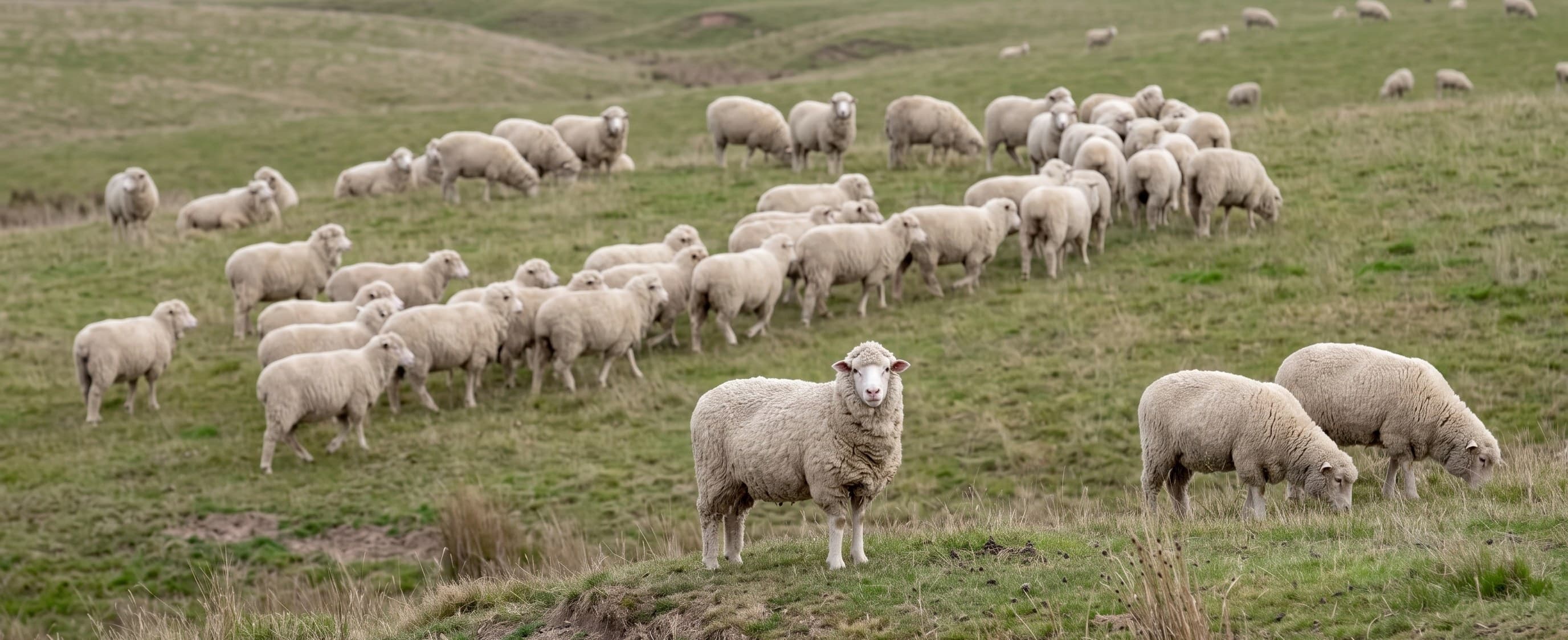
Sheepskins and lambskins that, depending on the reference, come from the food chain; selected for their quality and how they hold up over time.
Hides & furs
Materials that differ in origin, fibre, density and finish.
One origin, two expressions. Depending on the wool length kept and the finish applied, the same hide changes in look and behaviour — without changing breed or origin.
Tibetan lamb
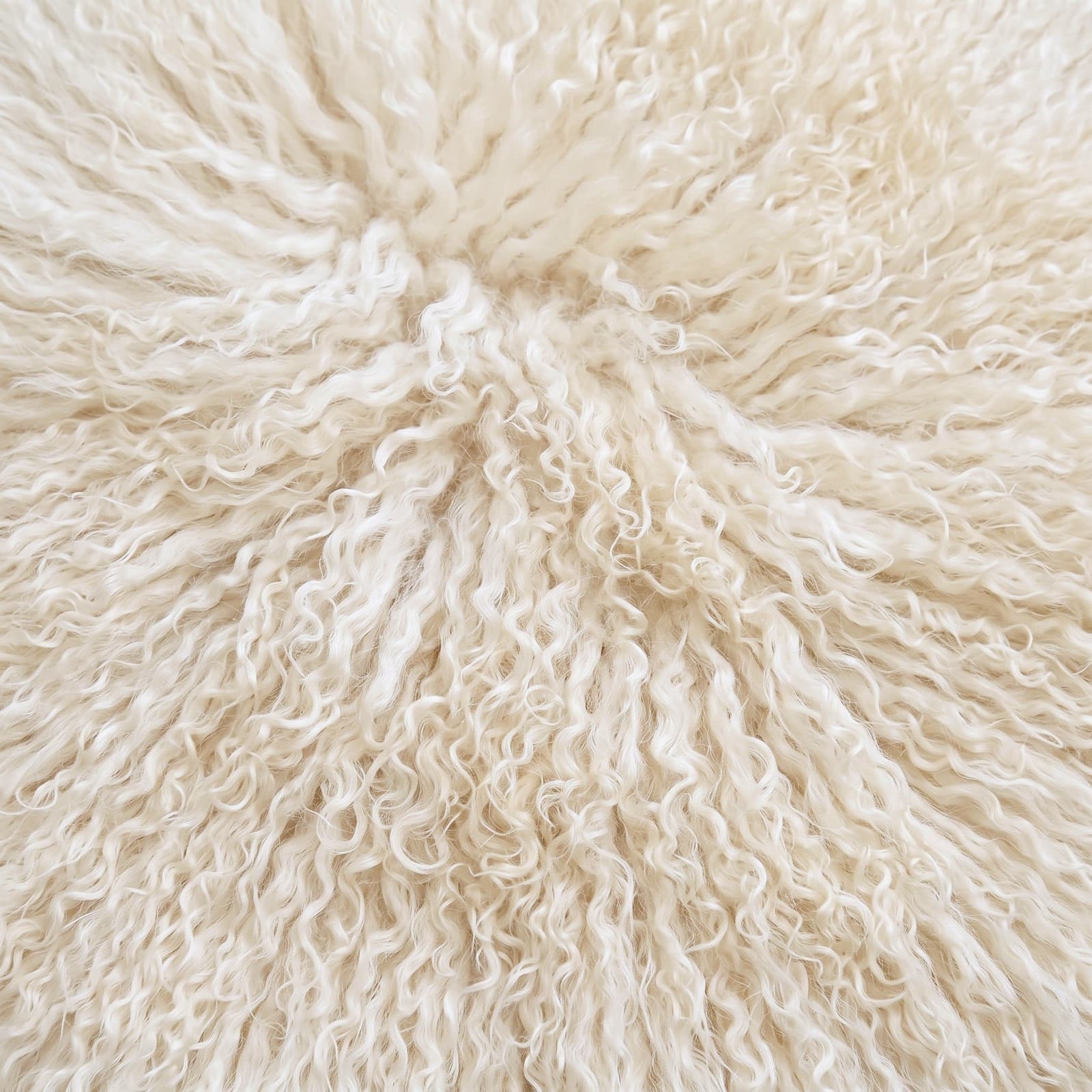
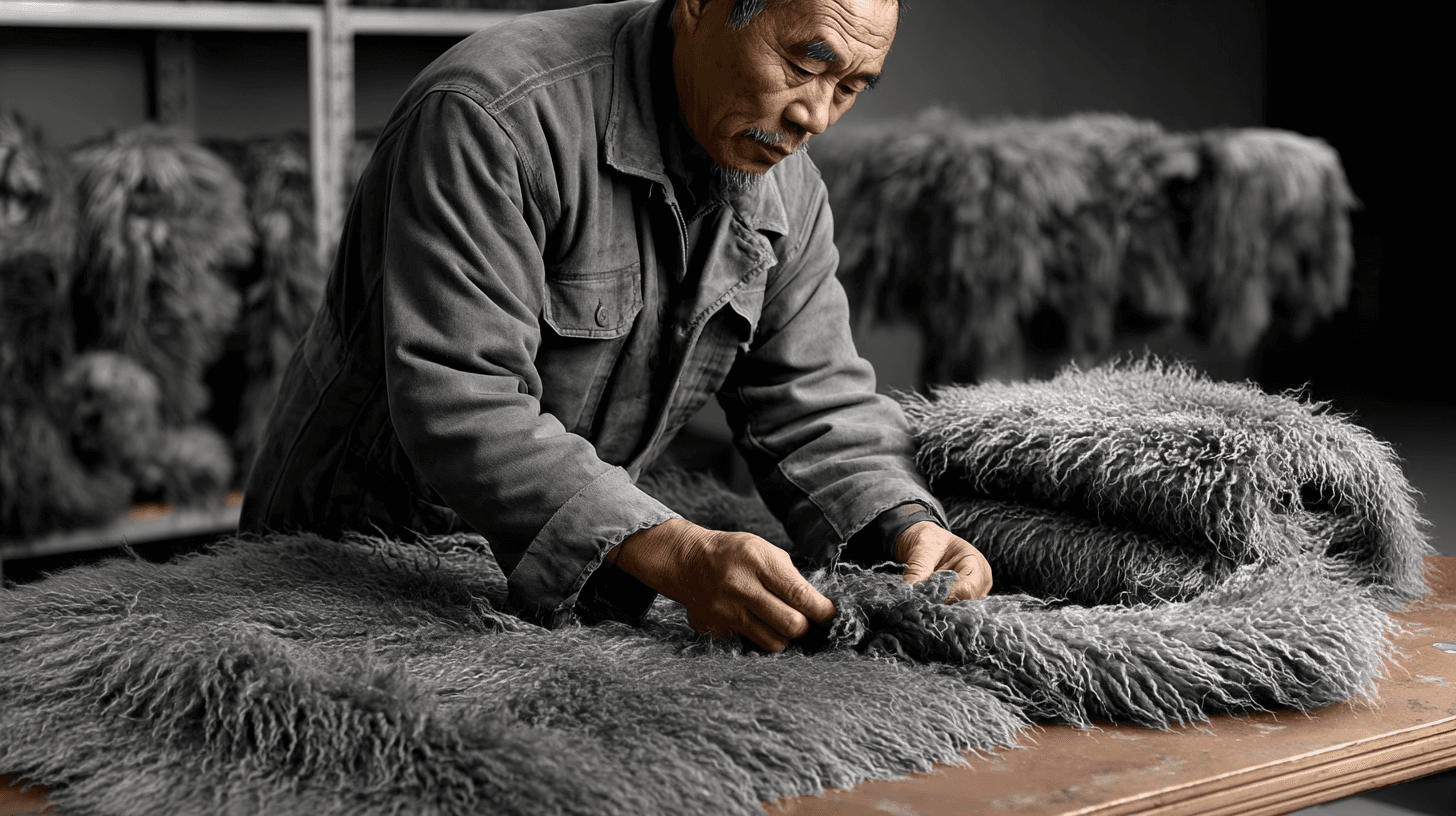
Tibetan lamb is defined by long, supple, naturally wavy locks. Light catches the curls, movement remains visible and the material adds instant depth.
New Zealand merino sheepskin — Unshorn
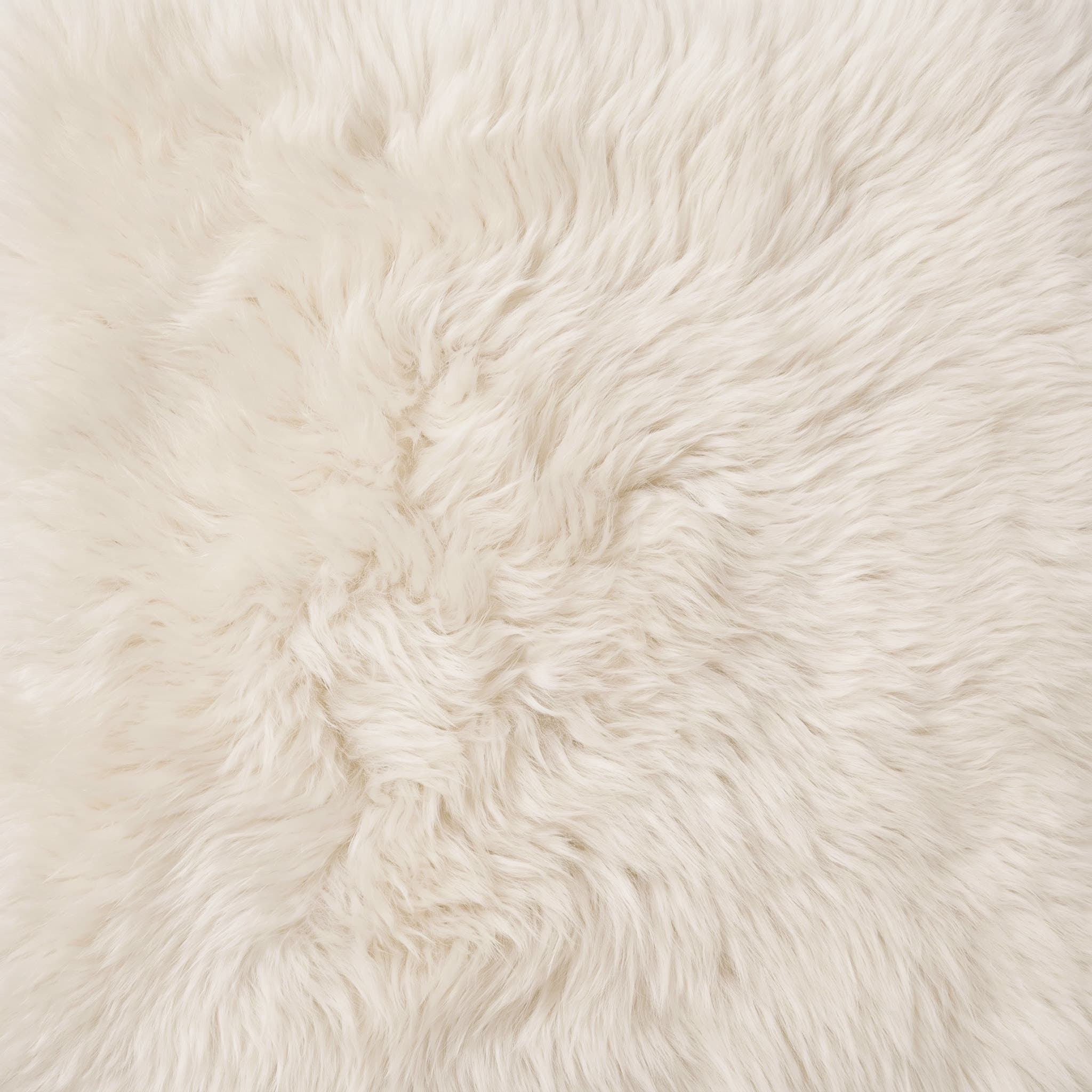
Soft, generous, naturally enveloping
New Zealand merino sheepskin — Shorn finish
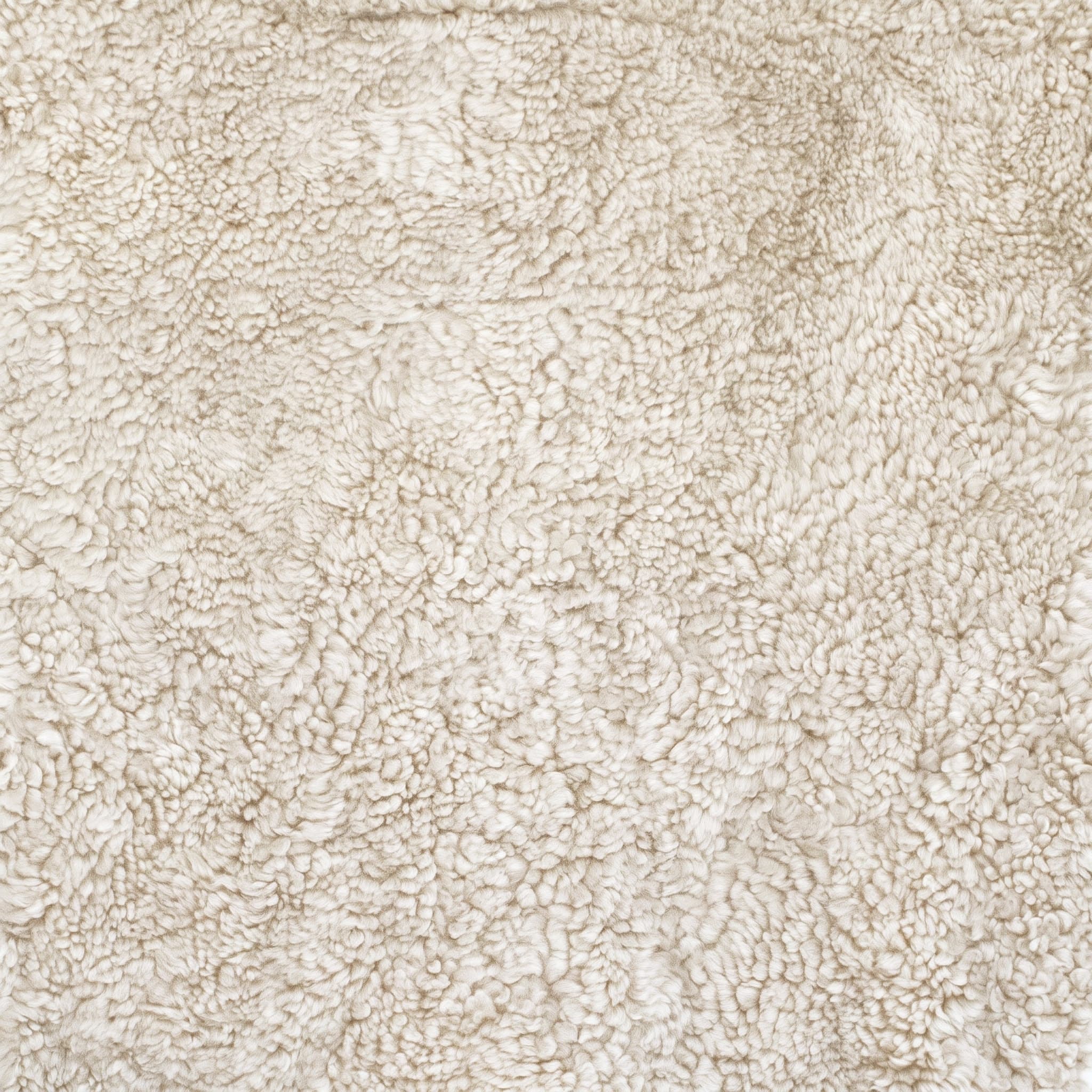
Dense, compact, with a naturally rounded relief
Shorn sheepskin — Icelandic style
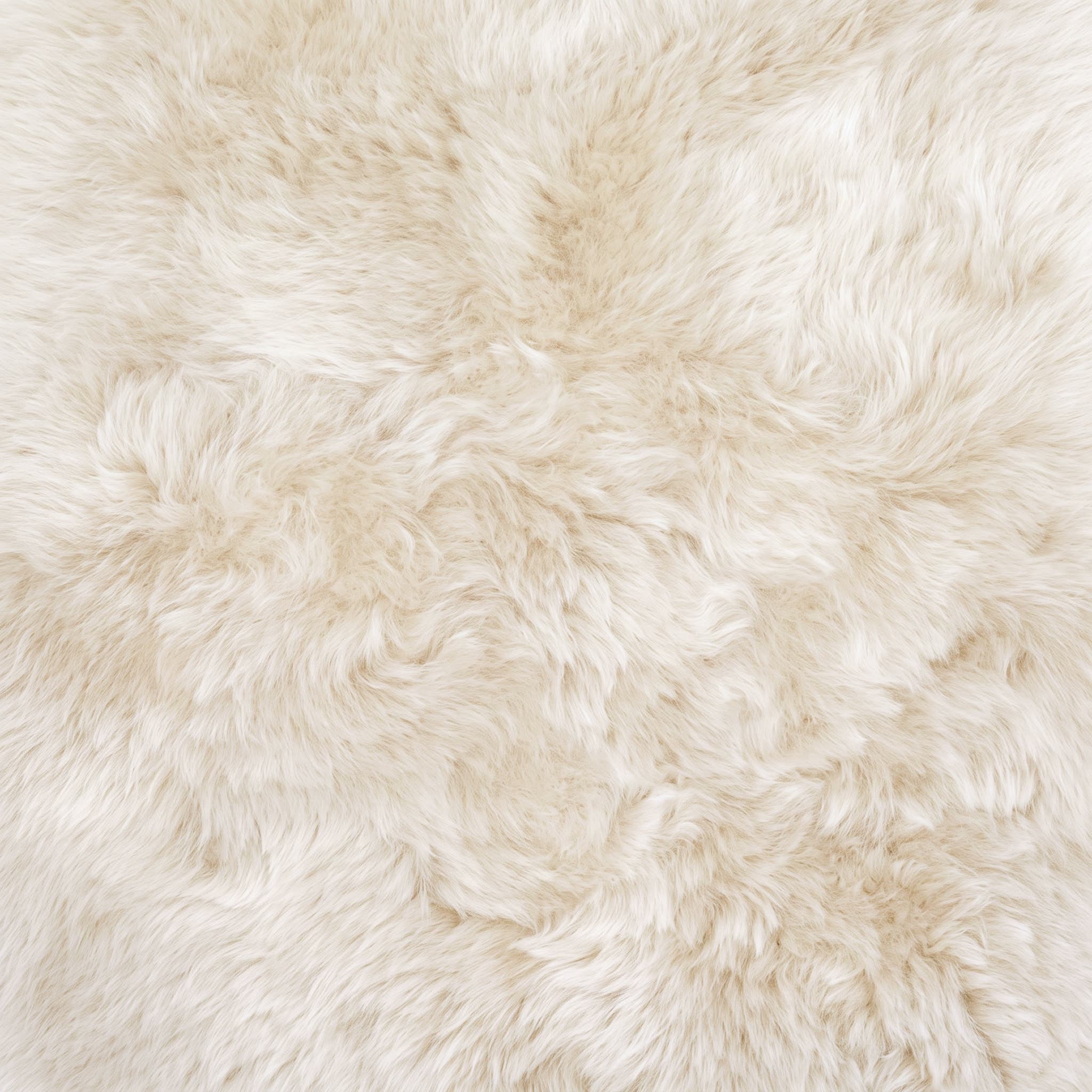
A shorn hide as well: the pile is cut back, the surface stays compact and strongly textured, with a more irregular relief than an even shearing gives. “Icelandic style” names that visual expression and nothing else — it is not an indication of origin.
Goatskin
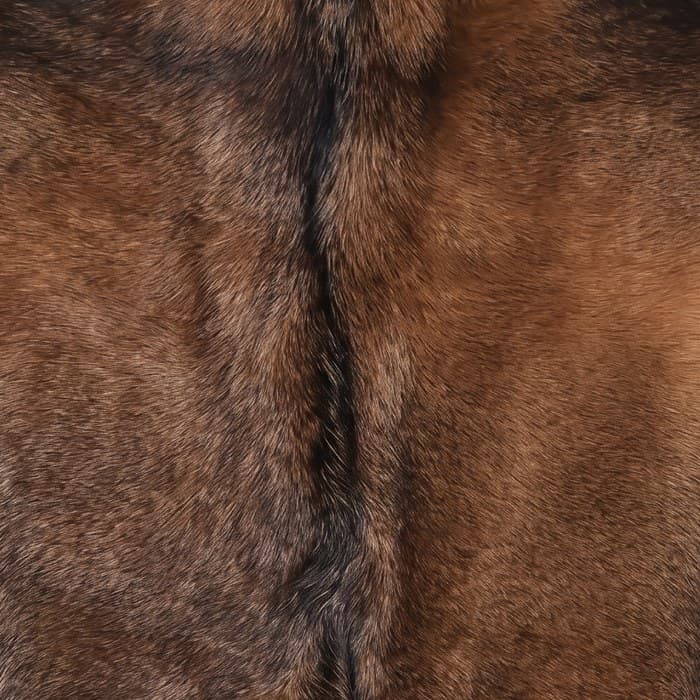
Shorter-haired, smoother and more graphic, goatskin belongs to a different register. Its natural markings and lustre make an excellent counterpoint to more voluminous materials.
Rabbit fur
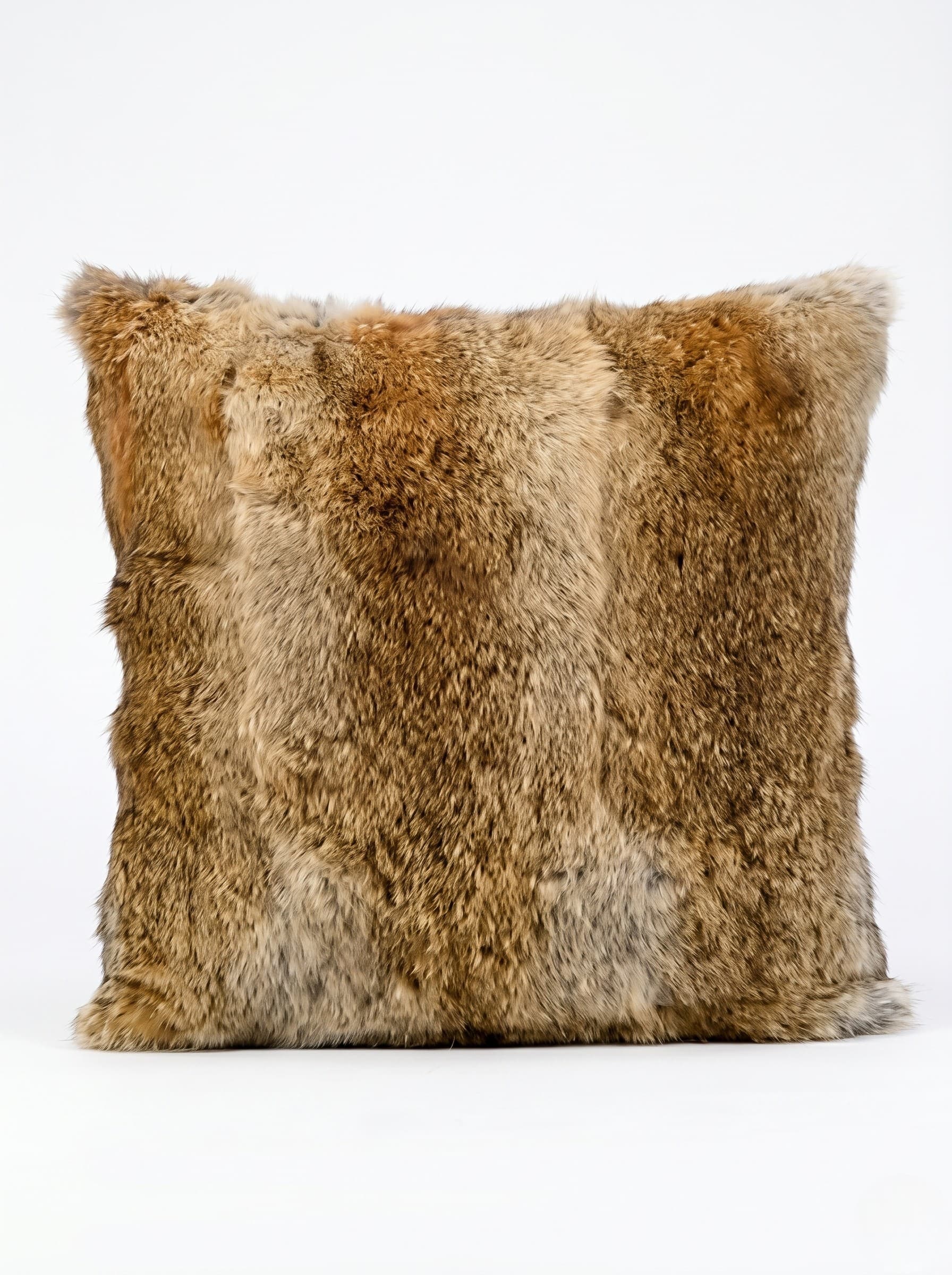
Rabbit fur is short, dense and exceptionally soft. We pay specific attention to the origin and traceability information attached to the relevant references.
Fine fibres & textile blends
Fibres chosen for their handle, their warmth, their drape and how they hold up over time. Some pieces are blends: we state the composition.
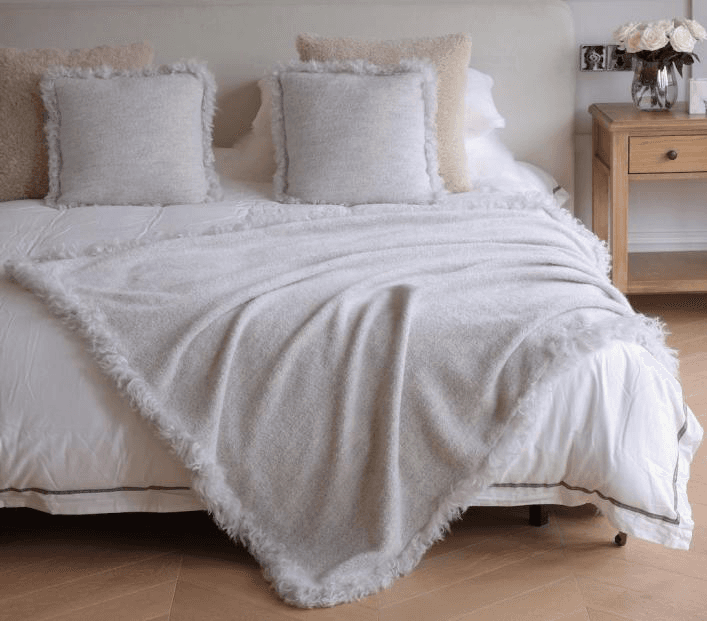
Alpaca & merino
65% alpaca, 26% merino, 9% polyester
Alpaca brings lightness and softness, while merino gives structure and warmth. Together, they create enveloping throws without a sense of weight.
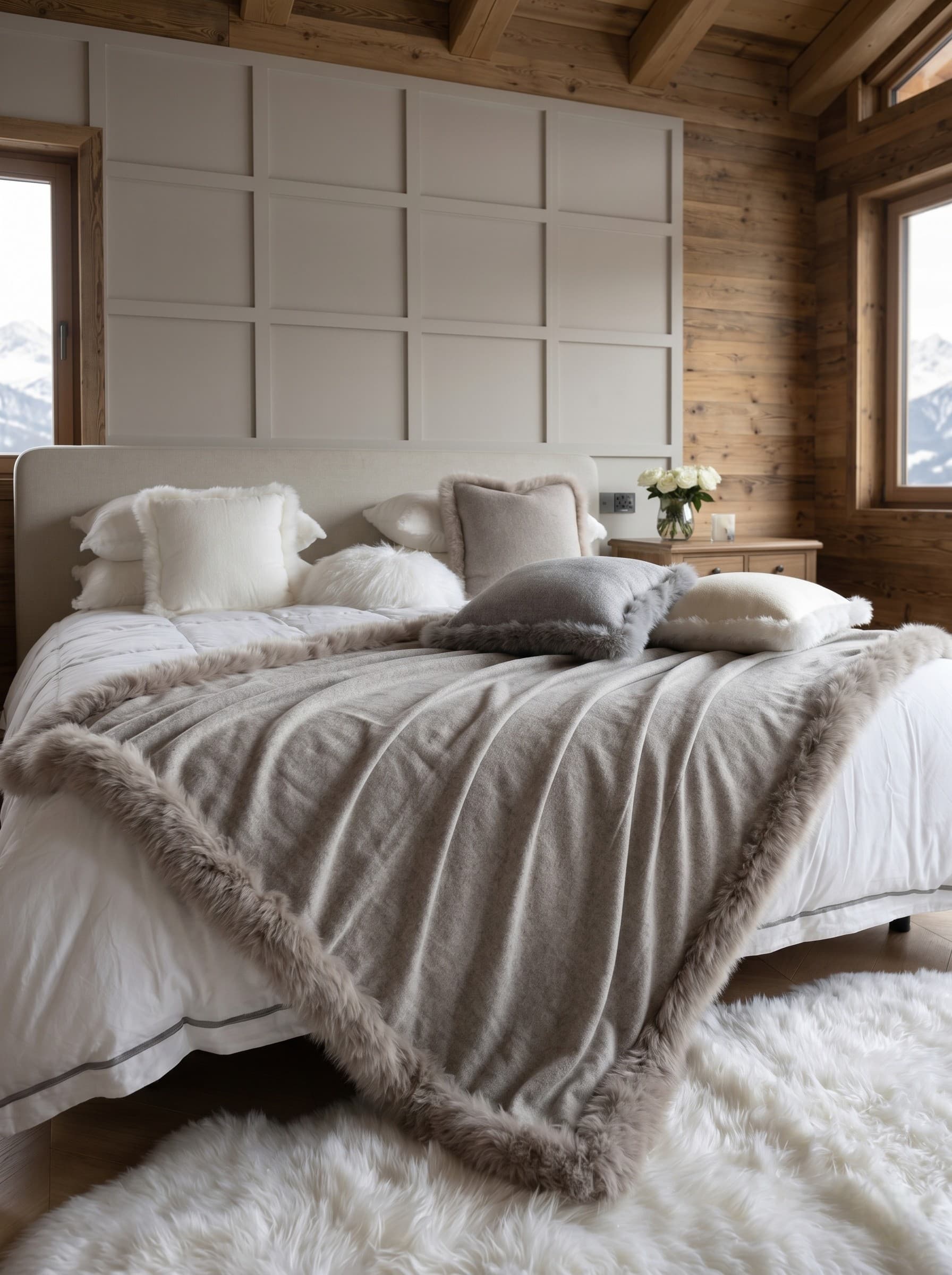
Cashmere & merino
10% cashmere, 90% merino
Cashmere refines the hand and adds a subtler softness; blended with wool, it remains suited to everyday use while retaining a more precious feel.
Merino
Merino wool gives a fine, warm and even knit, supple to the touch and rarely irritating. It is the fibre for pieces you keep around you for hours.
Linen & cotton
70% linen, 30% cotton
Breathable, lively and lighter in feel, linen is a natural alternative for between seasons and for interiors where less volume is desired. Its irregularities are part of its character.
Understanding & choosing
Every natural material is singular
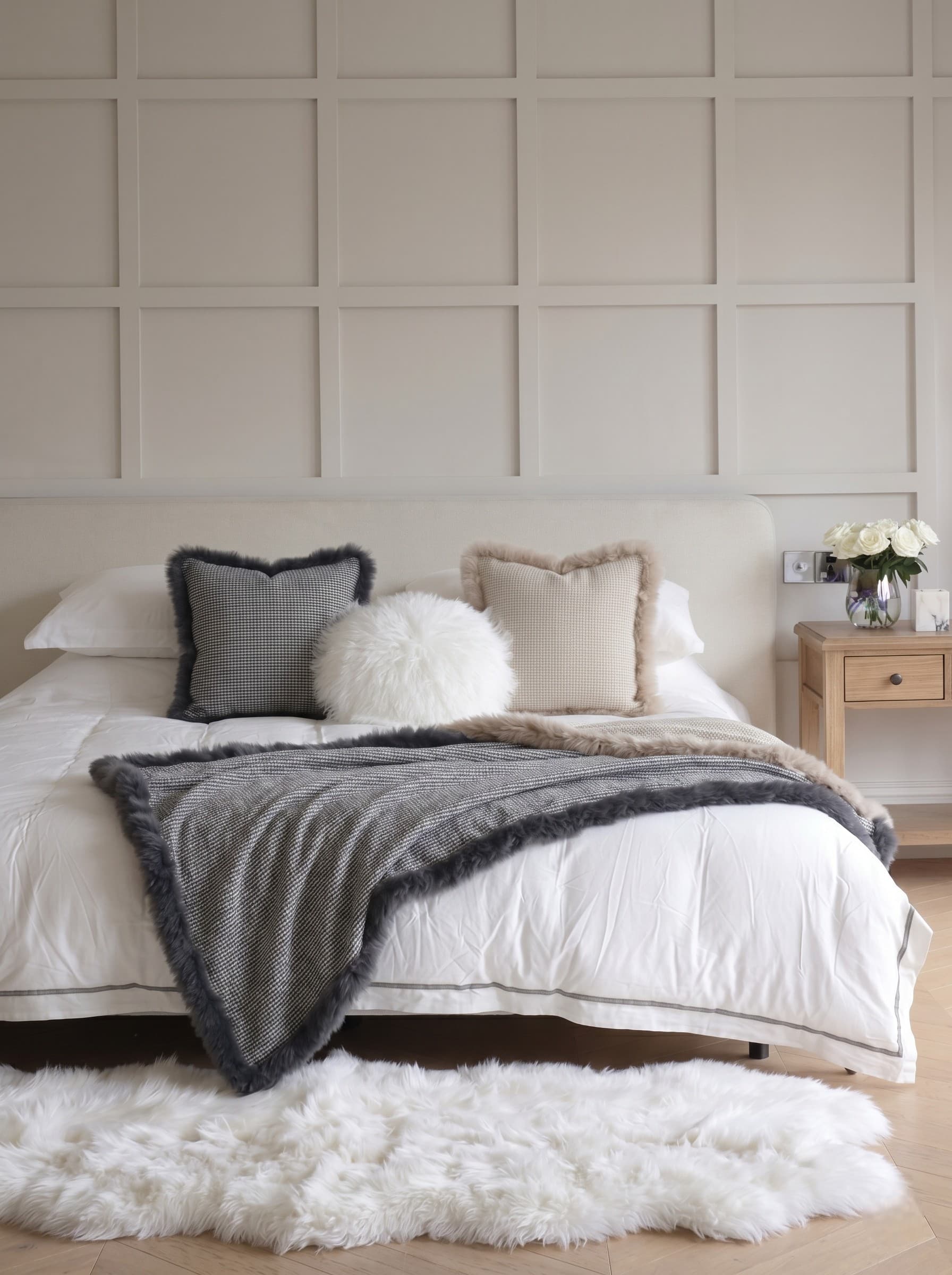
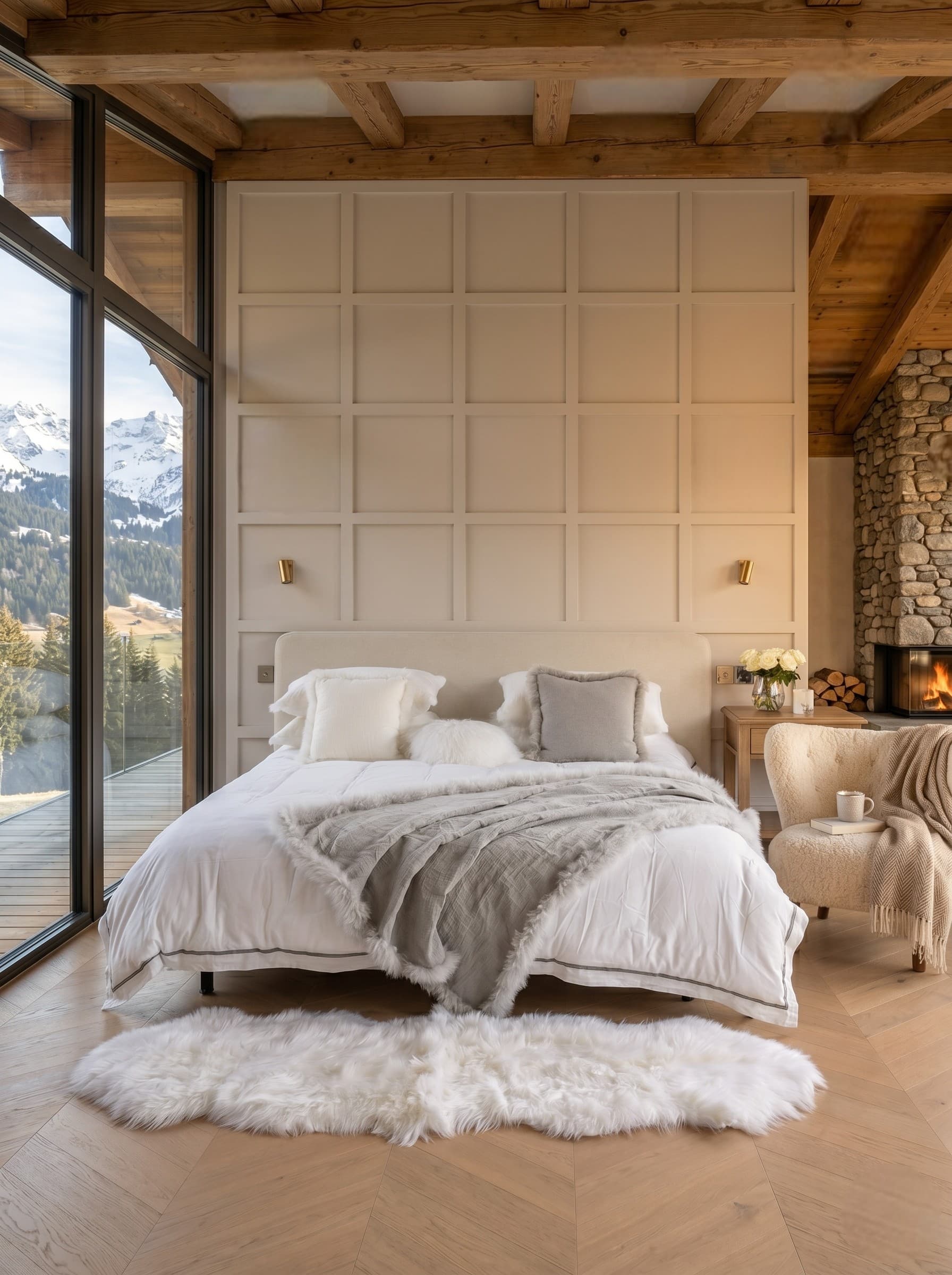
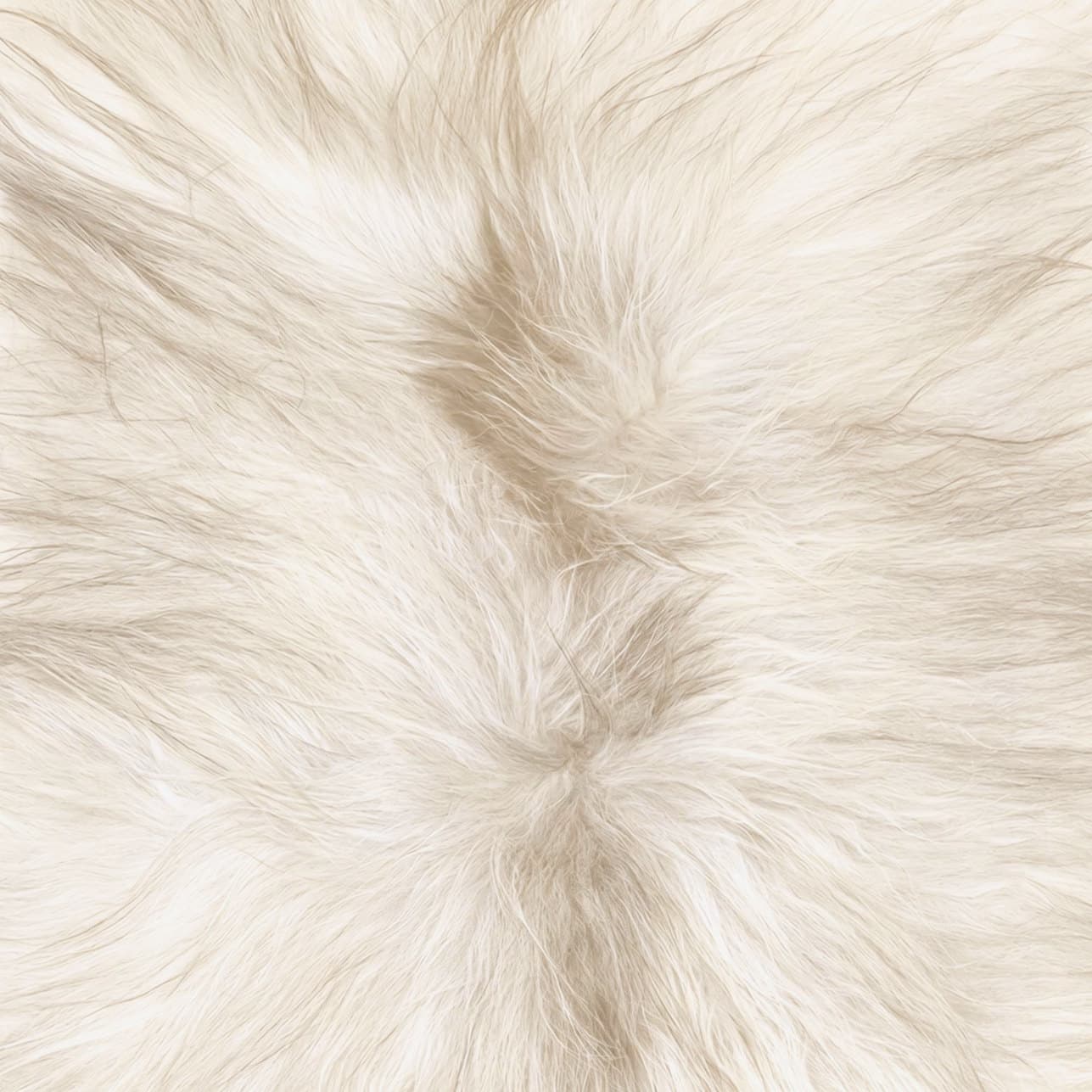
A natural hide may vary slightly in size, markings, hair length or the distribution of colour. Depending on the reference, we state nominal dimensions or a range and highlight when each piece has its own distinctive pattern. These variations are not flaws; they are part of the material itself.
Choose for the way it will be used
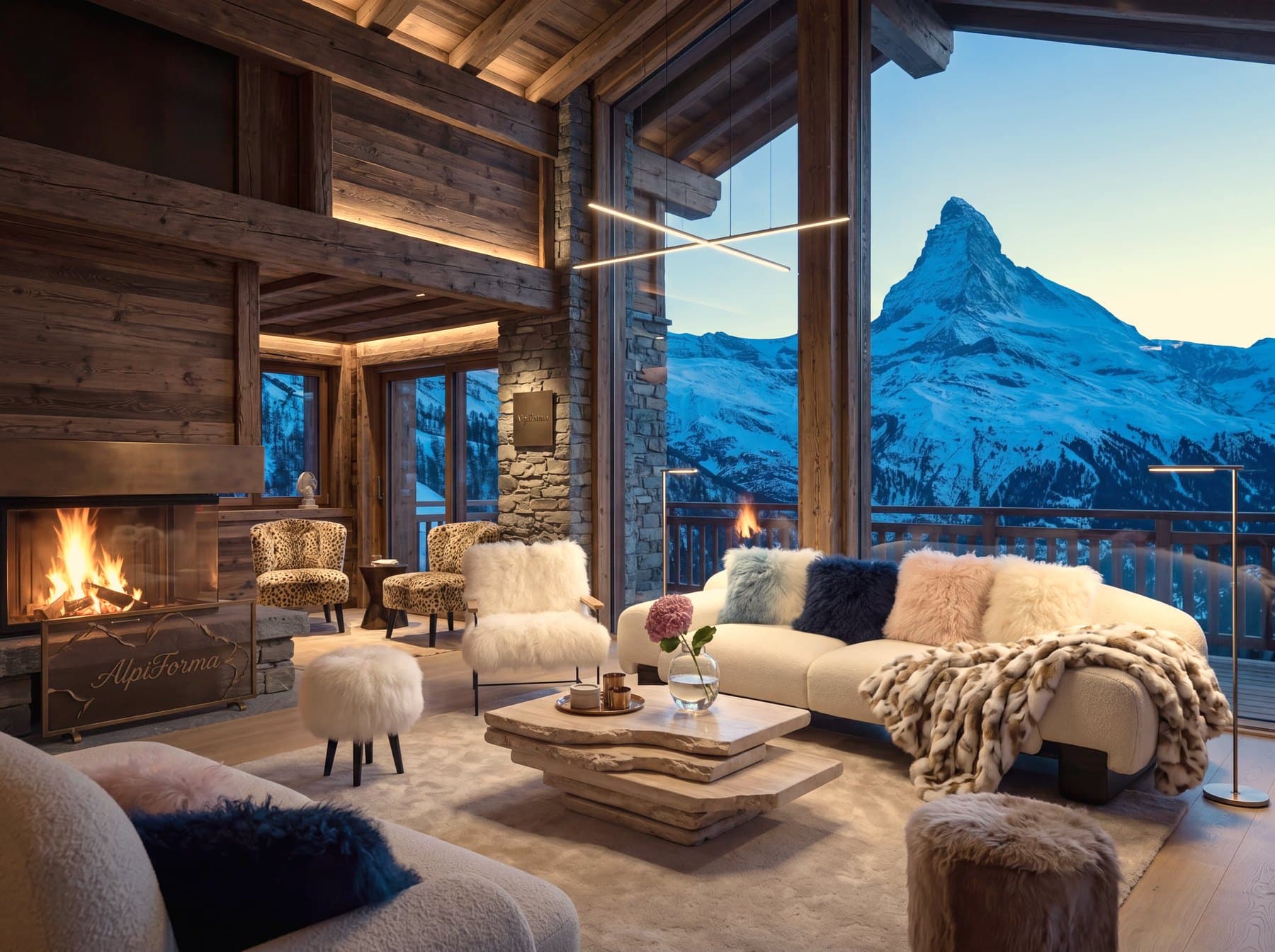
A bedroom rug, sofa cushion, throw, seat or hospitality project does not call for the same material. If you are choosing between several finishes, we can guide you according to the touch you want, intended use, colour palette and the atmosphere of your interior.
- Cushion
- — Handle comes first, since the hand keeps returning to it. Look for volume and softness before evenness.
- Decorative hide
- — The shape of the hide and the length of the pile make the effect. A hide laid down is read from across the room first.
- Rug
- — On the floor, density matters more than softness: it is what takes the traffic and keeps the surface clean.
- Seating
- — Seating asks for evenness and a firm hold: the material is stretched, fixed, and has to still look right after hours of use.
- Throw
- — Here everything comes down to drape: weight, suppleness and warmth decide more than looks. A good throw is judged unfolded.
Origin, standards & craftsmanship
Quality is not only how a material looks. It also rests on what we can document about its origin, on the standards of the workshops, and on the quality of its transformation through to the finished piece.
Origin & documentation
We work directly with our manufacturers and keep, depending on the product family, the information and documents available on origin, composition and production conditions. We distinguish between what is declared, what is documented and what is verified, without claiming any traceability wider than the one we can establish.
We meet manufacturers before starting a collaboration, on site whenever we can, and keep the relationship going over time.
Production standards
The workshops we work with are selected against high production standards. Our partner manufacturer documents in particular an LWG Gold Rated audit and membership of amfori BSCI. These markers concern the site and its production practices; they are not a general certification of every AlpiForma product.
When a workshop holds an audit, assessment or external certification, we associate it with the site concerned and its actual scope. We never present a workshop certification as a blanket label for the entire collection.


Two crafts, one standard
From raw material to finished object, two complementary crafts answer the same demand for quality.
Materials
From selection through to making up, every stage aims to preserve the character of the material and the quality of its finish.
- Selection
- Preparation & finishing
- Cutting
- Making up
- Inspection
Furniture
Frame, comfort, cover and finishes are considered as a whole, to secure coherence, durability and quality of execution.
- Frame & materials
- Padding
- Cover preparation
- Fitting & assembly
- Finishes
- Inspection
Stages, techniques and places of manufacture vary with the material, the model and the maker.
For trade professionals
Hoteliers, architects, interior designers and retailers can request samples, specific colours or dimensions, prototypes and selections built around a project — from a private chalet to a complete fit-out.
Tell us about your project